
Eye Surgeons @ Novena 38 Irrawaddy Road
#09-28
Singapore 329563
When Should You Consider Cataract Surgery?
When Should You Consider Cataract Surgery?

MBBS (Singapore), FRCS (Edinburgh), MMed (Ophth), FAMS (Ophth)

Cataracts are one of the most common causes of vision loss with age. As they tend to develop slowly, it may not always be clear when changes in vision warrant treatment or when cataract surgery should be considered.
The decision to recommend cataract surgery is based on how the condition affects your vision, daily activities and overall quality of life, alongside findings from an eye examination. An assessment by a cataract surgeon can also determine whether cataracts are responsible for your vision changes and whether surgery is likely to improve them.
Understanding how cataracts progress, recognising how they affect everyday life and knowing what ophthalmologists consider when recommending surgery can help you make a more informed decision about your eye health.
How Do Cataracts Progress Over Time?
A cataract develops when the natural lens inside the eye gradually becomes cloudy. As the lens becomes less clear, it can affect how light passes through the eye and reduce the clarity of your vision.
For many people, cataracts develop slowly over several years. Early changes may be subtle enough that they do not significantly interfere with routine activities. During this stage, an updated glasses prescription, brighter lighting or magnifying aids may help you see more clearly.
As the cataract continues to develop, however, these measures become less effective because the clouding of the lens cannot be corrected with spectacles alone. Vision may continue to deteriorate despite changes in prescription, making routine activities increasingly challenging.
The rate of cataract progression varies depending on factors such as age, underlying medical conditions, previous eye injuries or certain medications. Some people notice gradual changes over many years while others experience more rapid visual decline.
What Signs Suggest It May Be Time to Consider Cataract Surgery?
Cataracts do not affect everyone in the same way. As they progress, changes in vision may begin interfering with activities that previously presented little difficulty. The following signs may indicate that it is worth discussing cataract surgery with an ophthalmologist:
Everyday Activities Become More Difficult
Reading books, newspapers or medication labels may require brighter lighting or become increasingly tiring. Activities that were previously straightforward, such as sewing, cooking or recognising faces, may also become more difficult because of reduced visual clarity.
Driving Feels Less Safe
Many patients first notice significant problems while driving, particularly at night. Headlights may produce excessive glare or halos, making it harder to judge distances or identify road hazards. Reduced contrast sensitivity may also affect driving during rain or in dim lighting. If cataract-related vision changes are making it more difficult to drive safely, it is worth discussing these symptoms with your ophthalmologist.
Changing Prescription Glasses No Longer Improves Vision
During the early stages of cataracts, updating your prescription may temporarily improve vision. Eventually, however, new glasses provide little benefit because the cloudy lens continues to block light entering the eye.
If an updated prescription no longer provides adequate improvement, the cataract itself may be responsible for the remaining vision problems.
Work, Hobbies or Independence Are Affected
Vision plays an important role in maintaining independence and enjoying everyday life. Cataracts may begin affecting work performance, recreational activities or household tasks. Reduced vision can gradually limit your participation, and some individuals also become less confident navigating unfamiliar environments or managing daily responsibilities independently.
When cataracts begin affecting the activities that matter most to you, surgery may become an appropriate option. If you're unsure whether your symptoms warrant surgery, an ophthalmologist can assess both your vision and overall eye health before making a recommendation.
How Does an Ophthalmologist Determine Whether Cataract Surgery Is Right for You?
There is no single vision measurement that determines when surgery should be performed. Instead, a cataract surgeon carries out a comprehensive assessment to determine whether cataract removal surgery is likely to provide meaningful improvement.
Assessing How Cataracts Affect Your Daily Life
Your ophthalmologist will ask about the changes you have noticed in your vision and how they affect your daily activities. This may include difficulty reading, driving, recognising faces, working or carrying out household tasks safely and independently.
Understanding the extent of these difficulties helps establish how much the cataract is affecting your day-to-day function and whether surgery should be considered.
Performing a Comprehensive Eye Examination
A detailed eye examination assesses the type and severity of the cataract alongside your overall eye health.
Tests may include:
- Visual acuity assessment
- Slit-lamp examination of the cataract
- Measurement of eye pressure
- Examination of the retina and optic nerve where possible
- Measurements used to plan intraocular lens selection if surgery is recommended
These assessments also help identify other eye conditions, such as glaucoma, age-related macular degeneration or diabetic eye disease, which may influence expected visual outcomes.
Discussing Whether Surgery Is Likely to Benefit You
After reviewing your symptoms and examination findings, your ophthalmologist will explain whether cataracts are the main cause of your visual difficulties and whether surgery is likely to improve your eyesight.
If surgery is not yet necessary, your ophthalmologist may recommend ongoing monitoring and advise you on signs that indicate it should be reconsidered in the future.
Do You Need to Wait Until a Cataract Becomes Advanced?
If cataracts are still mild and are not interfering with daily activities, they can usually be monitored through regular eye examinations. But cataracts do not need to become fully developed or “mature” before surgery is considered. Once an ophthalmologist has assessed that the cataract has a clear impact on your vision, they can determine whether surgery is appropriate based on your examination findings and the expected improvement to your vision.
Waiting until a cataract becomes very dense may also make certain aspects of surgery more technically challenging. The decision to proceed is therefore based on the effect of the cataract on your vision and the findings of your eye examination, rather than waiting for the cataract to reach a predetermined level of severity.

Early Cataract Assessment and Care with Dr Cordelia Chan
Understanding the progression of cataracts and recognising when they begin limiting your independence can help you seek timely assessment rather than waiting for unnecessary vision loss. If changes in your vision are beginning to affect everyday activities, an eye examination can determine whether cataracts are responsible and whether surgery is likely to improve your vision.
At Cordelia Chan Eye Centre, Senior Consultant Ophthalmologist Dr Cordelia Chan provides comprehensive cataract assessment and management. She is able to assess the severity of your cataracts, evaluate your overall eye health and discuss whether cataract surgery is appropriate based on your symptoms and examination findings.
If cataracts are affecting your vision or daily activities, contact us today for an assessment and advice on the next steps.
Frequently Asked Questions About Cataract Surgery
Can cataracts be treated without surgery?
Can cataracts return after surgery?
Will I still need glasses after cataract surgery?
Can cataract surgery be performed on both eyes at the same time?
MBBS (S’pore), FRCS (Edinburgh), MMed (S’pore), FAMS (Ophth)
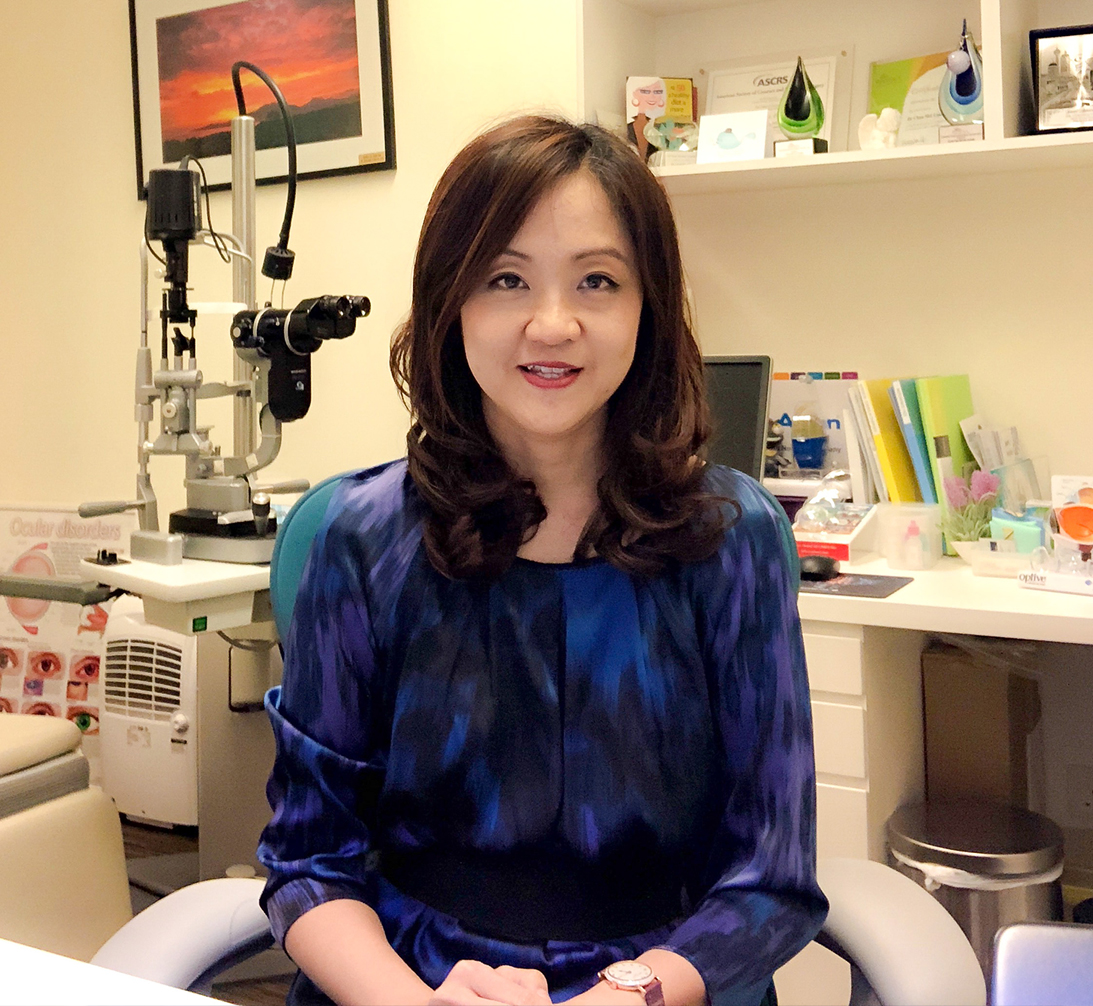
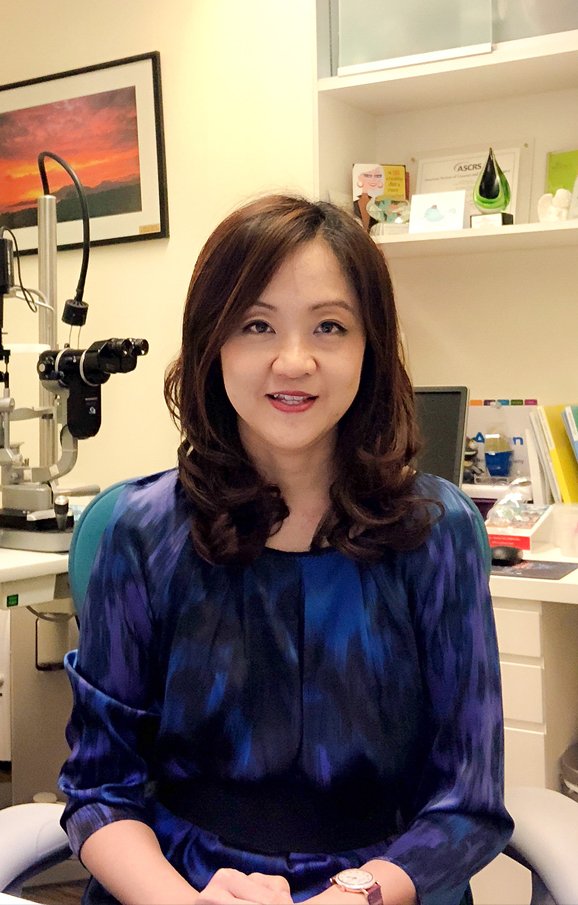
Dr Cordelia Chan is an ophthalmologist in Singapore, with decades of experience in cataract management for both adults and children. Her approach combines clinical precision with a supportive environment, ensuring that young patients receive the quality care for their visual development. Dr Chan began her training in 1993 and spent 21 years at the Singapore National Eye Centre (SNEC), where she was Head of the Refractive Surgery Service.
As one of the first surgeons in Singapore to perform bladeless LASIK, she has built a reputation for her expertise and dedication to patient care and safety. Today, she uses advanced diagnostic technology and a personalised approach to achieve the best possible outcomes for her patients.
Contact No. : | +65 6690 4154 |
| Email : | novena@eyesurgeons.com.sg |