
Eye Surgeons @ Novena 38 Irrawaddy Road
#09-28
Singapore 329563
What Vision Changes Can You Expect After LASIK Surgery?
What Vision Changes Can You Expect After LASIK Surgery?
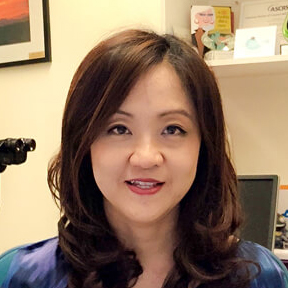
MBBS (S’pore), FRCS (Edinburgh), MMed (S’pore), FAMS (Ophth)

LASIK can improve vision relatively quickly, but eyesight is not always perfectly clear or stable immediately after the procedure. During recovery, patients may notice temporary blur or haze, fluctuations in sharpness and changes in how lights appear, even as their overall vision improves.
Early visual changes therefore do not necessarily represent the final outcome of LASIK. Recovery continues as the eyes heal and vision becomes more consistent, although the timeline can differ between patients. Visual outcomes also depend on factors assessed before surgery, which is why determining whether you are suitable for LASIK is an important part of treatment planning should you be considering LASIK surgery in Singapore.
What to Expect in the First 24 Hours After LASIK
Visual recovery after LASIK is often relatively fast, but not instantaneous. Immediately after the procedure, vision may appear hazy or blurred. Some patients may already notice that objects are easier to see without their usual glasses, while fine details may not yet have their usual sharpness.
Vision May Initially Look Hazy
During the first several hours, vision may remain hazy and the eyes may be more sensitive to light. Glare or halos around light sources can also occur during this early period.
As the initial haze begins to clear, vision may become noticeably sharper within the first day after LASIK. By the next day, many patients experience substantially clearer eyesight, although this does not mean that vision has reached its final level of clarity.
Clearer Vision the Next Day May Still Feel Different
By the following morning, eyesight may be noticeably clearer but not completely consistent yet. Text may appear sharper than it did immediately after treatment, while certain distances or lighting conditions may still seem slightly blurred.
An early follow-up allows the LASIK surgeon to assess healing and check that vision is progressing as expected. First-day clarity therefore should not be taken as the final visual outcome.
Why Does Vision Sometimes Fluctuate After LASIK?
LASIK recovery does not always follow a perfectly straight line. Vision may seem crisp for part of the day and slightly blurred later, even when the eyes are healing normally.
Dryness Can Temporarily Affect Visual Sharpness
A smooth tear film helps light pass evenly through the front surface of the eye. After LASIK eye surgery, temporary dryness can make that surface less consistent, causing intermittent blurring or vision that briefly clears after blinking or using lubricating drops.
This may be more noticeable during long periods of screen use or in air-conditioned environments. Lubricating drops may form part of postoperative care, depending on the patient's needs.
Night Vision Can Feel Different During Recovery
Some patients notice glare or halos around headlights and other bright light sources, particularly in dim conditions. These effects may stand out at night even when daytime vision already feels clear.
For many patients, these effects lessen as the eyes recover. Persistent or worsening symptoms should still be raised during follow-up rather than assumed to be part of normal healing.

When Does Vision Stabilise After LASIK Surgery?
Seeing clearly shortly after LASIK and having fully stable vision are not the same thing. Vision may continue to settle over the following weeks, and smaller fluctuations may last longer for some patients.
Vision on an eye chart also does not tell the whole story. A patient may achieve good visual acuity while still noticing glare, dryness or reduced visual comfort in certain conditions. These aspects of vision can improve at different rates as the eyes recover.
Why Does Vision Stabilise at Different Rates?
The time needed for vision to settle can be influenced by the refractive correction, the condition of the ocular surface and how the eyes heal after surgery. Someone who sees clearly within the first few days may therefore still notice subtle changes before their vision becomes more consistent.
Follow-up appointments allow the LASIK surgeon to compare vision and eye measurements over time and determine whether recovery is progressing as expected.
What LASIK Can and Cannot Change
LASIK aims to reduce dependence on spectacles or contact lenses, but it does not guarantee the same visual result for every patient. Some people may retain a small degree of refractive error or still prefer glasses for certain situations.
LASIK also does not stop natural age-related changes in vision. Presbyopia can still develop, which may mean that reading glasses are needed later in life. If refractive error remains after vision has stabilised, enhancement may be considered in selected patients.
Take the First Step Toward Clearer Vision With Dr Cordelia Chan
Visual recovery after LASIK varies between patients, and the clarity experienced during the first few days does not necessarily represent the final result. Factors such as your prescription, ocular surface and individual healing can influence how quickly vision settles, which is why expectations for recovery should be considered alongside your preoperative assessment.
At Eye Surgeons @ Novena, Dr Cordelia Chan provides preoperative assessment and postoperative follow-up for patients considering LASIK eye surgery. Dr Cordelia Chan is a senior consultant ophthalmologist with experience in cornea and refractive surgery and previously served as head of the refractive surgery service at the Singapore National Eye Centre.
To determine whether LASIK is suitable for your eyes and discuss what visual recovery may involve, book an appointment with Dr Chan.
FAQs About LASIK Surgery Recovery
Can one eye recover faster than the other after LASIK?
Is 20/20 vision guaranteed after LASIK surgery?
How long do LASIK surgery results last?
MBBS (S’pore), FRCS (Edinburgh), MMed (S’pore), FAMS (Ophth)
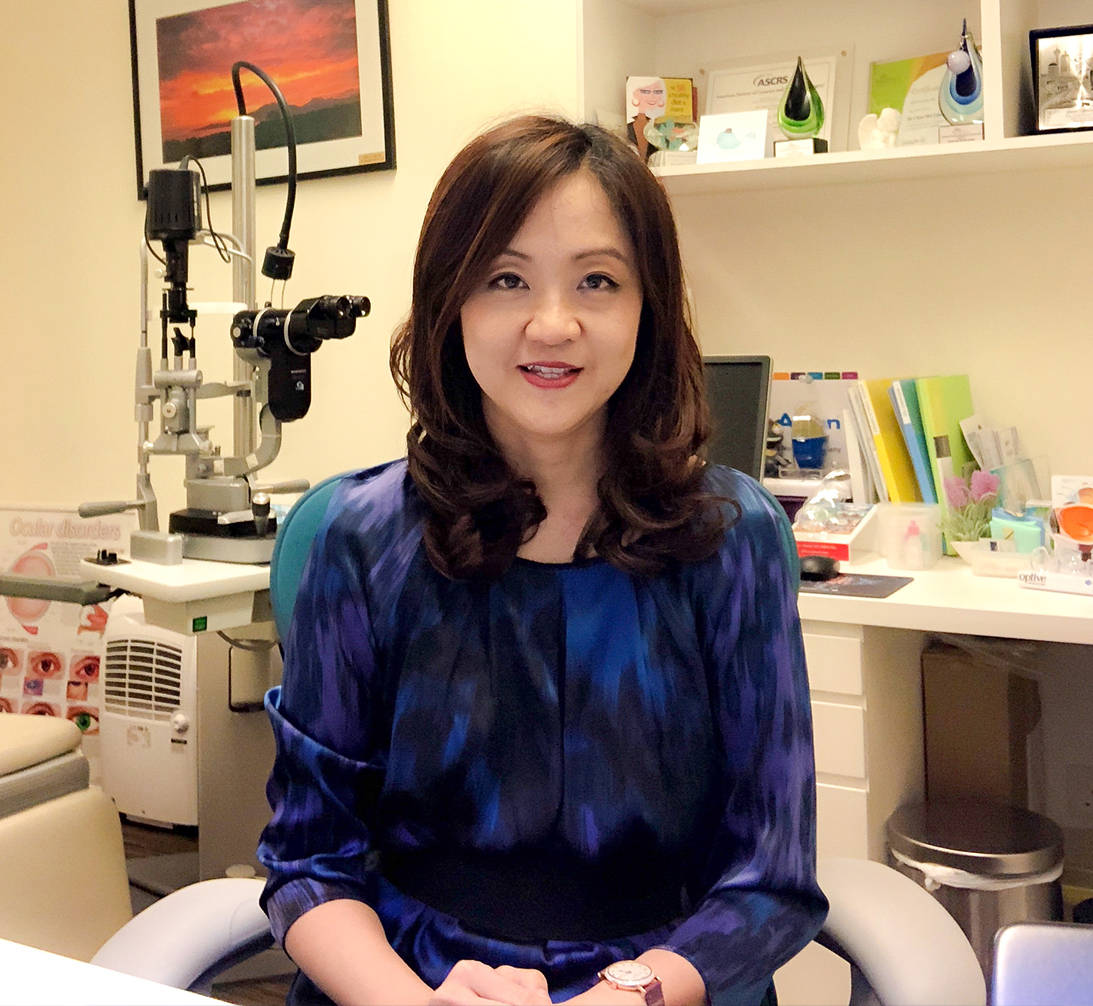
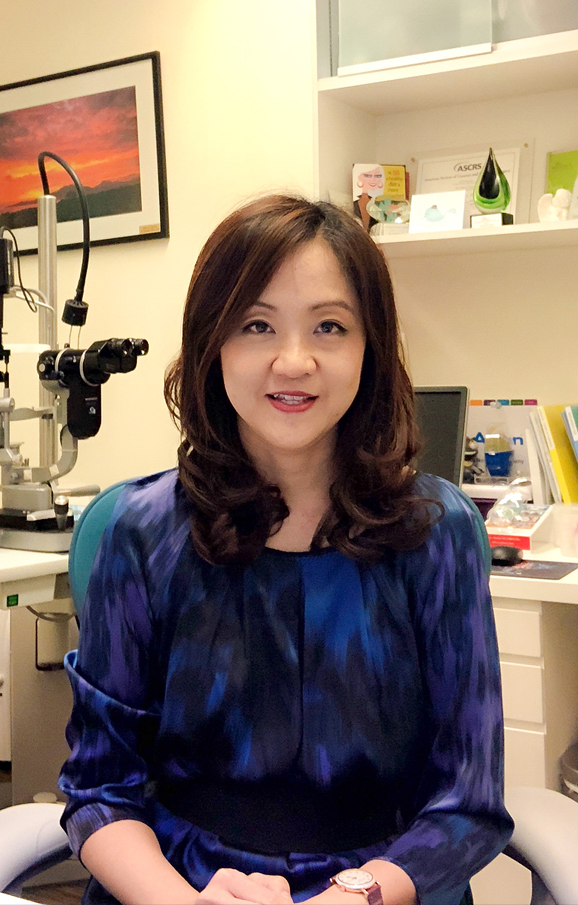
Dr Cordelia Chan is an ophthalmologist in Singapore, with decades of experience in cornea and refractive surgery. She caters to both adults and children, offering comprehensive treatment plans for various eye conditions. Dr Chan began her training in 1993 and spent 21 years at the Singapore National Eye Centre (SNEC), where she was Head of the Refractive Surgery Service.
As one of the first surgeons in Singapore to perform bladeless LASIK, she has built a reputation for her expertise and dedication to patient care and safety. Today, she uses advanced diagnostic technology and a personalised approach to achieve the best possible outcomes for her patients.
Contact No. : | +65 6690 4154 |
| Email : | novena@eyesurgeons.com.sg |