
Eye Surgeons @ Novena 38 Irrawaddy Road
#09-28
Singapore 329563
Preparing for LASIK:
6 Things To Do Before Surgery
6 Things To Do Before Surgery
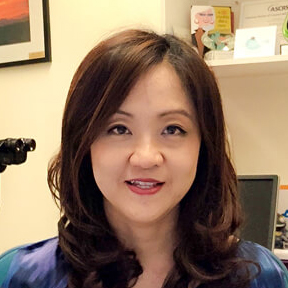
MBBS (Singapore), FRCS (Edinburgh), MMed (Ophth), FAMS (Ophth)
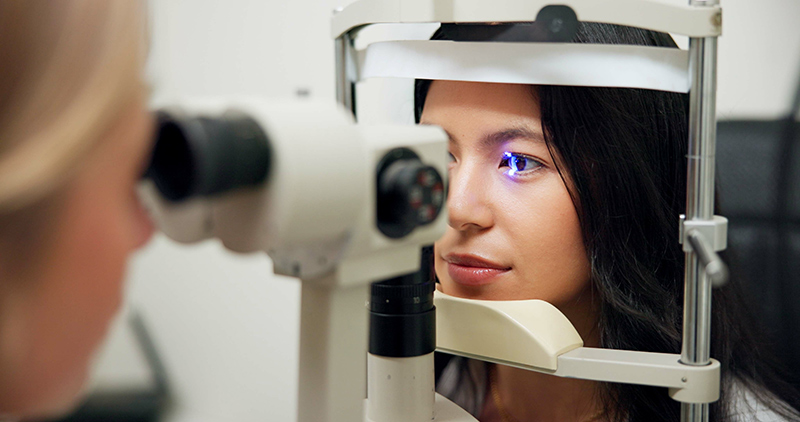
Deciding to undergo LASIK surgery is a significant step towards reducing your dependence on glasses or contact lenses. However, the idea of going through surgery often causes anxiety and uncertainty, and even more so when the idea of a laser is introduced.
Understanding what happens before the procedure can help you feel more prepared and confident. Careful preparation before surgery allows your specialist to help reduce risks and support your smooth recovery. During your consultation, a LASIK specialist in Singapore will assess your suitability and explain the benefits and considerations based on your individual eye health, so you can move forward with confidence.
To support optimal outcomes, here are six key steps to help ensure your eyes are in the best possible condition for surgery:
1. Mention Your Medical History
During your consultation, it is important to share your complete medical history with your doctor. Certain health conditions, medications or previous eye problems may affect your suitability for LASIK surgery or influence how your eyes heal after the procedure.
Examples of information you should mention include:
- Previous eye conditions such as glaucoma, keratoconus or severe dry eye
- Past eye surgeries or injuries
- Chronic medical conditions such as diabetes or autoimmune diseases
- Current medications, including steroids, isotretinoin or immunosuppressants
- Any history of vision changes or complications with contact lenses
It is also important to mention any allergies, particularly to medications or eye drops. This information allows your doctor to plan the safest and most appropriate approach for your eye care.
2. Stop Wearing Contact Lenses
While they are a convenient alternative to glasses, contact lenses can temporarily alter the shape of your cornea. For the laser to precisely reshape your eye and correct your refractive error, your cornea must return to its natural curvature.
Your ophthalmologist will provide a specific timeline based on the type of lenses you wear:
- Soft Contact Lenses: Stop wearing them at least one to two weeks before your preoperative evaluation and surgery.
- Rigid Gas Permeable (RGP) or Hard Lenses: These rigid lenses can affect the cornea for a longer period. You may need to stop wearing them for 3–4 weeks or longer.
During this period, switch to wearing your glasses full-time. This ensures that the measurements taken during your consultation are accurate and that your treatment plan is tailored to your eye health.
3. Review Your Medications Before LASIK
Certain medications may affect how your body heals or exacerbate temporary side effects such as dry eyes. For instance, antihistamines, acne treatments and some antidepressants can increase ocular dryness, which may impact your comfort during recovery. Ensure you inform your eye surgeon about all prescriptions and supplements you are currently taking, so they can advise you on whether to pause them prior to your procedure.
4. Avoid Wearing Makeup, Lotions and Perfume
On the day of your surgery, your face should be clean and free from skincare products, fragrances or eye makeup. These items can introduce unwanted particles near your eyes, which may interfere with the procedure or increase the risk of irritation afterwards.
Prepare a recovery kit at home beforehand. This should include high-quality sunglasses to protect your eyes from light sensitivity, your prescribed eye drops and comfortable, loose-fitting clothing to rest in.
5. Understand What to Expect on Surgery Day
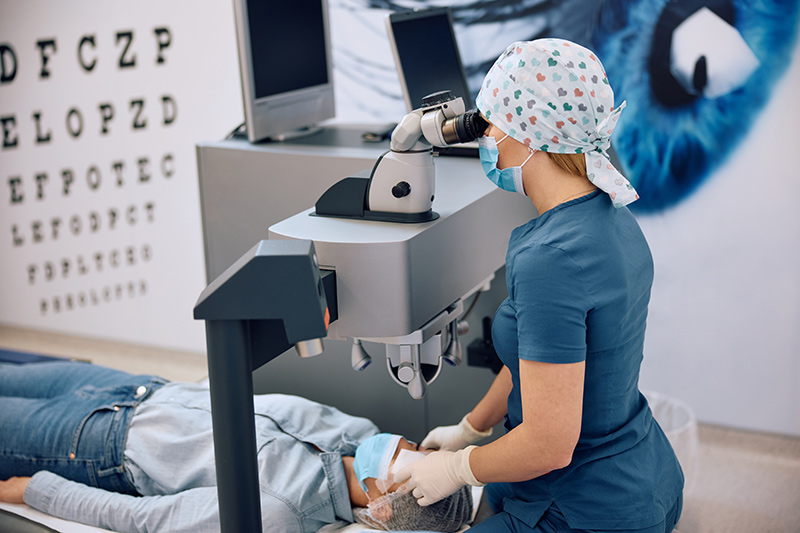
LASIK is a straightforward outpatient procedure. Your surgeon will begin by applying numbing eye drops to ensure you feel no pain. They will then use a specialised instrument (often a femtosecond laser) to create a thin corneal flap, which is then lifted to allow an excimer laser to reshape the underlying corneal tissue.
The entire procedure takes approximately 15 to 20 minutes for both eyes. No stitches are required, as the corneal flap adheres naturally during the healing process. Arrange for someone to accompany you home after the procedure since your vision may be hazy for a few hours.
6. Plan Ahead for Recovery
Preparing for recovery after LASIK surgery can help make the process more comfortable and reduce unnecessary strain on your eyes. Although many patients experience improved vision within a short period, your eyes will still need time to heal properly.
To aid your recovery:
- Plan for someone to accompany you home after surgery
- Avoid digital screens, reading or visually demanding tasks for the first day
- Stay away from dusty or smoky environments
- Prepare eye drops or any medication recommended by your doctor
- Avoid potentially irritating activities such as strenuous exercise, swimming, or applying eye makeup
- Do not rub your eyes, as this can dislodge the healing corneal flap
Attending your scheduled follow-up visits is also necessary to help your doctor monitor your healing progress and ensure your vision is stabilising correctly.
Start Your LASIK Preparation with Dr Cordelia Chan
Preparing for LASIK is a collaborative effort between you and your surgeon. By following pre-operative instructions, you actively contribute to the safety and success of your procedure. These small steps in preparation pave the way for a smooth recovery and the long-term benefit of clear, unaided vision.
At Eye Surgeons @ Novena, our senior consultant ophthalmologist Dr Cordelia Chan provides comprehensive assessments to evaluate your eye health, discuss LASIK expectations and recovery and guide you through the preparation process so you can approach surgery with confidence. Dr Chan also offers dedicated post-surgery support to ensure your vision correction journey is seamless.
If you are looking for personalised guidance and care, schedule an appointment with our clinic today.
Common Questions About LASIK Preparation
What should I do the night before LASIK surgery?
It is important to get enough sleep to help you feel rested and relaxed. Gently cleanse your eyelids and lashes to remove any debris or natural oils. Additionally, avoid consuming alcohol, as it can dehydrate your eyes.
Can I eat or drink before LASIK?
Yes, you can eat and drink normally before your procedure. Since LASIK typically uses local anaesthetic eye drops rather than general anaesthesia, there is no need to fast. However, we recommend a light meal to prevent feeling sluggish, and you should avoid caffeine or alcohol, as these can contribute to jitters or dehydration.
Can I take my regular medications before LASIK surgery?
You may have to stop taking specific medications before LASIK surgery. Antihistamines, acne treatments or certain antidepressants may contribute to dry eyes and affect healing. It is important to review your medication with your doctor during your pre-LASIK consultation.
How do I know if I'm ready for LASIK?
You may be ready for LASIK if your eyes and overall health meet certain criteria. A comprehensive eye assessment is required to confirm whether the procedure is suitable for you. During a consultation, your ophthalmologist will evaluate several factors related to your vision stability and eye health.
In general, you may be a suitable candidate if:
- Your glasses or contact lens prescription has been stable for at least one year
- You are at least 18 years old
- Your corneas are thick enough to safely support the procedure
- Your eyes are healthy and free from conditions such as severe dry eye, keratoconus or uncontrolled glaucoma
- You are not pregnant or breastfeeding, as hormonal changes can temporarily affect vision
MBBS (S’pore), FRCS (Edinburgh), MMed (S’pore), FAMS (Ophth)
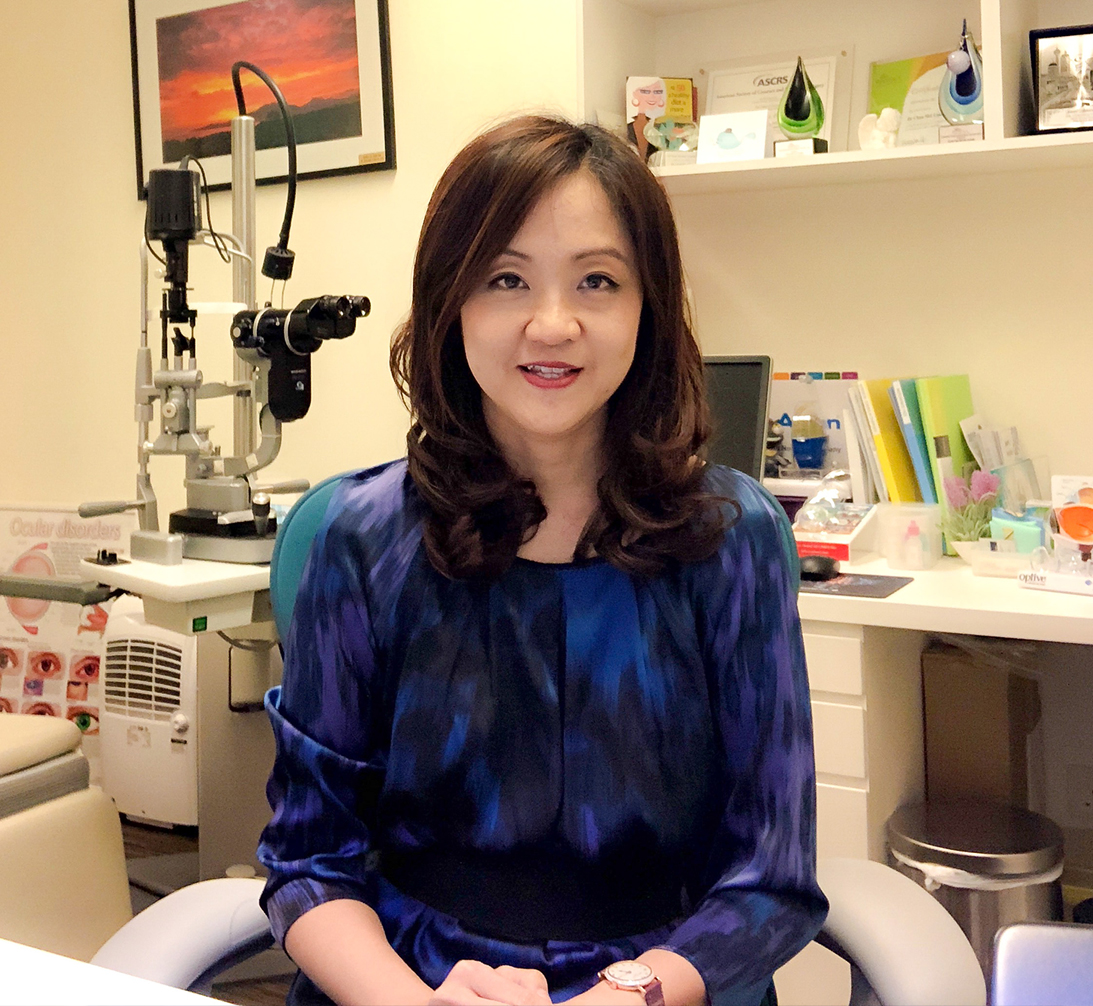
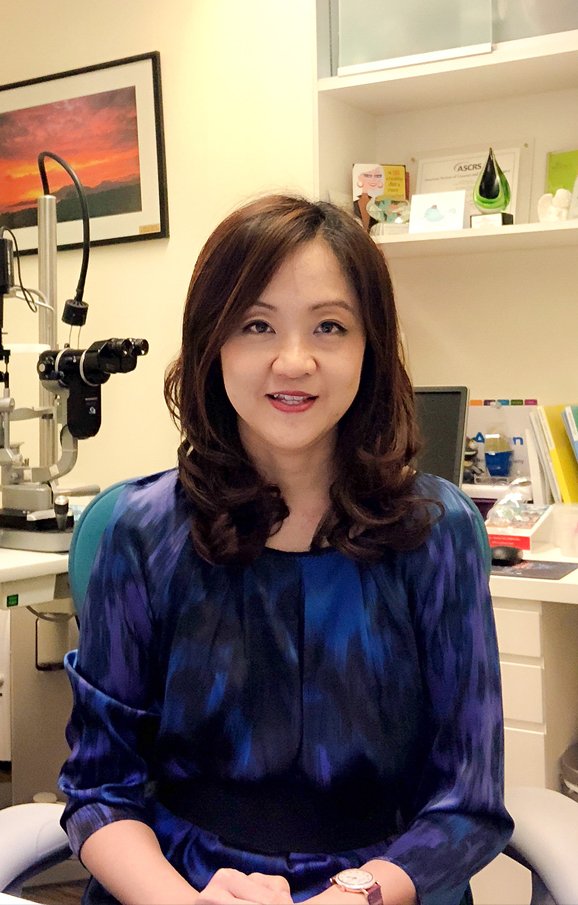
Dr Cordelia Chan is an ophthalmologist in Singapore, with decades of experience in cornea and refractive surgery. She caters to both adults and children, offering comprehensive treatment plans for various eye conditions. Dr Chan began her training in 1993 and spent 21 years at the Singapore National Eye Centre (SNEC), where she was Head of the Refractive Surgery Service.
As one of the first surgeons in Singapore to perform bladeless LASIK, she has built a reputation for her expertise and dedication to patient care and safety. Today, she uses advanced diagnostic technology and a personalised approach to achieve the best possible outcomes for her patients.
Contact No. : | +65 6690 4154 |
| Email : | novena@eyesurgeons.com.sg |