
Eye Surgeons @ Novena 38 Irrawaddy Road
#09-28
Singapore 329563
Pre-LASIK Evaluation:
What Tests Are Performed?
What Tests Are Performed?

MBBS (Singapore), FRCS (Edinburgh), MMed (Ophth), FAMS (Ophth)
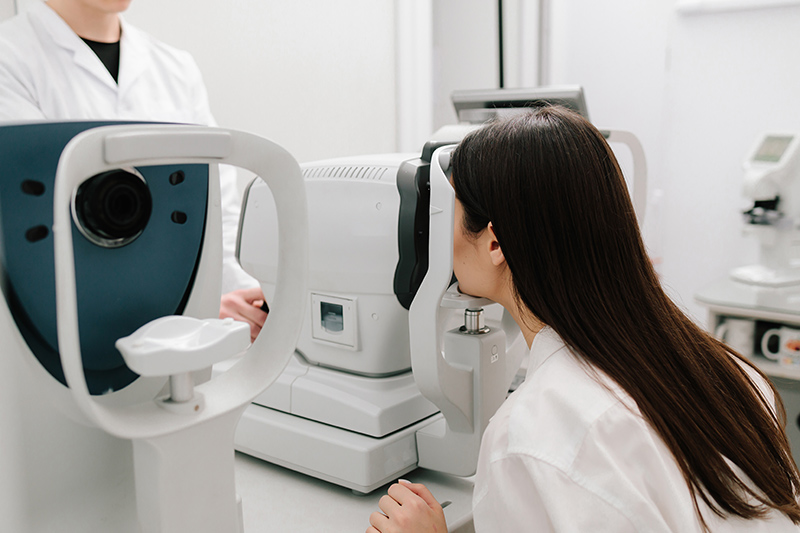
LASIK surgery is a vision-correction procedure that reshapes the cornea to improve how light focuses on your retina. As this is a sensitive procedure, the route to achieving safe and effective results begins well before the day of your surgery.
A detailed pre-LASIK evaluation is an essential step that helps ophthalmologists determine whether the procedure is suitable for your eyes. During this assessment, your ophthalmologist will perform a series of specialised tests to evaluate the health, structure and stability of your eyes. These tests provide important information about key factors that may affect the surgery, helping to guide treatment planning and ensure that LASIK can be performed safely.
What Happens During a LASIK Eye Exam?
During a LASIK eye exam, your ophthalmologist will analyse the health, structure and stability of your eyes to assess whether you are compatible with the surgery.
Your ophthalmologist will review your medical and eye history, including any past eye conditions, surgeries or medications that may affect healing. Your current vision prescription will also be measured to determine the degree of refractive error, such as myopia, hyperopia or astigmatism.
The exam also involves a series of specialised diagnostic tests that assess different aspects of your eye health. These may include measuring corneal thickness, mapping the shape of the cornea and checking the stability of your tear film. Together, these results help your ophthalmologist determine whether LASIK is appropriate and guide the planning of a personalised treatment approach.
In certain cases, conditions such as thin corneas or underlying eye diseases may make LASIK unsuitable. In these cases, the evaluation may be able to identify alternative vision-correction options that your doctor can pursue.
Key Tests Performed During a Pre-LASIK Evaluation
Each type of specialised diagnostic test provides a clear picture of a specific aspect of your ocular health.
Corneal Thickness Test
LASIK involves removing a microscopic amount of tissue to reshape the cornea. As such, the eye must have sufficient thickness to maintain its structural stability after the removal. This thickness is measured with precision during a pachymetry test.
If the cornea is naturally too thin, LASIK could potentially weaken the eye's integrity. In these cases, your surgeon may recommend safer alternative procedures, such as photorefractive keratectomy (PRK) or implantable collamer lenses (ICL), to ensure a successful outcome.
Corneal Topography
Corneal topography creates a detailed three-dimensional map of the surface curvature and elevation of the cornea. This can detect subtle irregularities or conditions such as keratoconus, which is a progressive thinning of the cornea that would make LASIK unsafe.
Pupil Size Measurement
Your ophthalmologist will measure your pupil size under both bright and dim lighting conditions to determine the optimal laser treatment zone. This assessment is essential because if your pupils naturally dilate wider than the treated area in low light, you may be at higher risk of night vision disturbances. By accurately mapping these measurements, your surgeon can identify any potential for post-operative halos or glare.
Dry Eye Assessment
LASIK can temporarily affect tear production. With a dry eye assessment, the doctor can check the quality and quantity of your tear film. If pre-existing dry eye syndrome is detected, it must be managed and treated before surgery can proceed, as severe dryness can affect healing and visual recovery.
Wavefront Analysis
Wavefront analysis is an advanced diagnostic technique that measures how light travels through your eye. It detects higher-order aberrations, which are subtle optical imperfections that standard eye exams cannot detect. The data from this analysis can help guide treatment for these specific irregularities, often resulting in sharper contrast sensitivity and visual quality.
Eye Pressure and Vision Stability Tests
A comprehensive check of the intraocular pressure (tonometry) is performed to screen for glaucoma, a condition that damages the optic nerve. Your doctor will also confirm if your vision prescription has been stable for at least 12 months. If the prescription is still changing, LASIK may not be suitable, as the shape of your eye may continue to grow even after surgery, potentially nullifying the results.
How Long Does the Pre-LASIK Evaluation Take?
The full evaluation generally takes around 1–2 hours. This duration allows time to perform the diagnostic scans, the administration of pupil-dilating eye drops (which take about 20–30 minutes to take effect), and for a thorough consultation with the ophthalmologist to discuss the results.
What Happens After the Evaluation?
After the evaluation, the surgeon reviews all findings and discusses whether LASIK is an appropriate option. If you are a suitable candidate, they will discuss the procedure plan and provide instructions for preparation. If LASIK is not appropriate for you, the surgeon will suggest alternative vision correction methods that can safely achieve similar results.
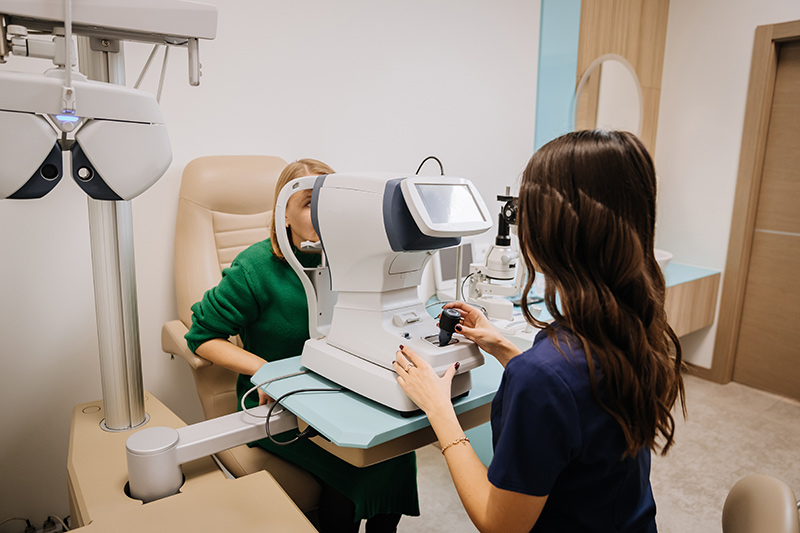
Take the First Step Toward Clearer Vision
Before a LASIK procedure, a comprehensive evaluation is a key first step that helps ensure your safety, as well as the quality of your results. In order to recommend the most appropriate treatment option for you, a doctor needs to fully evaluate your eye health and the stability of your vision.
At our clinic, we provide detailed eye examinations and personalised assessments to determine each patient's suitability for LASIK or other refractive procedures. Care is led by senior consultant ophthalmologist Dr Cordelia Chan, who provides comprehensive eye care for both adults and children. Dr Chan is well-equipped to evaluate a wide range of vision conditions and provide tailored recommendations based on each patient's eye profile.
If you are exploring vision correction options or would like a professional eye assessment, contact us today to schedule a consultation and take the first step toward clearer vision.
MBBS (S’pore), FRCS (Edinburgh), MMed (S’pore), FAMS (Ophth)
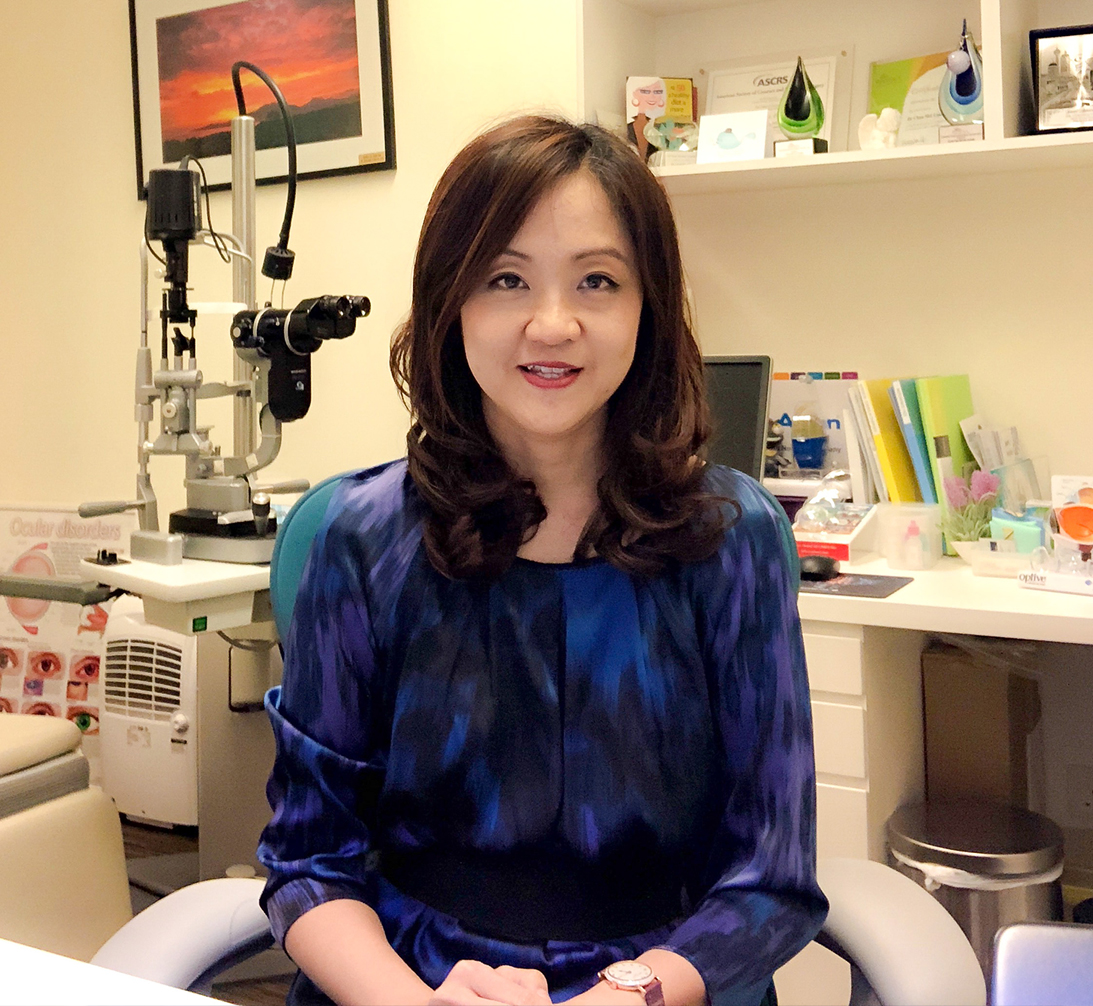
Dr Cordelia Chan is an ophthalmologist in Singapore, with decades of experience in refractive surgery (LASIK), cataract surgery and the management of corneal diseases. Dr Chan began her training in 1993 and spent 21 years at the Singapore National Eye Centre (SNEC), where she was Head of the Refractive Surgery Service.
As one of the first surgeons in Singapore to perform bladeless LASIK, she has built a reputation for her expertise and dedication to patient care and safety. Today, she uses advanced diagnostic technology and a personalised approach to achieve the best possible outcomes for her patients.
Contact No. : | +65 6690 4154 |
| Email : | novena@eyesurgeons.com.sg |