
Eye Surgeons @ Novena 38 Irrawaddy Road
#09-28
Singapore 329563
Can Children Get Cataracts?
What Parents Should Know
What Parents Should Know
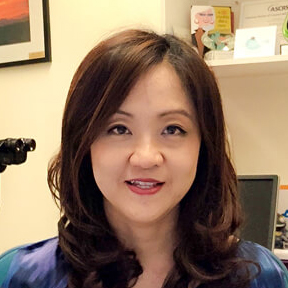
MBBS (Singapore), FRCS (Edinburgh), MMed (Ophth), FAMS (Ophth)
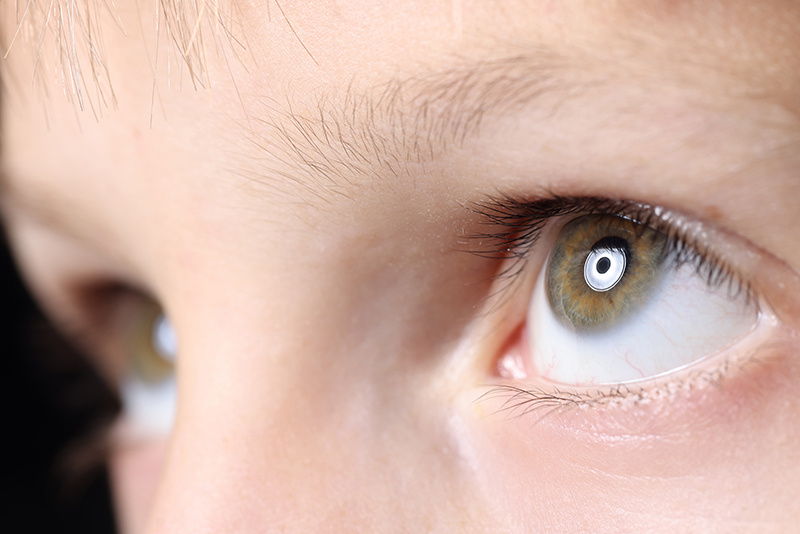
While cataracts are most commonly associated with older adults, they can, in fact, affect people at any stage of life. Although the condition is typically linked to ageing, cataracts may also develop in infants and young children. These are known as childhood or paediatric cataracts, and while they are relatively uncommon, they can cause major effects on a child's long-term visual ability. Paediatric cataracts also tend to go undetected, as children may not always be able to describe changes in their eyesight or request help.
Having your child diagnosed with cataracts is naturally a cause of worry for any parent. The good news is that with early diagnosis and management by eye specialists, many children with cataracts may achieve favourable long-term visual outcomes.
What Types of Cataracts Affect Children?
Unlike adult cataracts, which are usually caused by ageing, paediatric cataracts can be classified into two main categories:
- Congenital Cataracts: These are present at birth or develop shortly after. They may affect one eye (unilateral) or both eyes (bilateral).
- Acquired Cataracts: These develop later in childhood or adolescence, often due to injury or illness.
A cataract can be severely harmful for a child's long-term vision. During their early development, the brain requires clear visual input to learn how to see correctly. If a cataract obstructs clear images from the eye, the brain may stop processing visual signals from that eye, leading to vision problems such as lazy eye or vision loss that may stay with a child permanently. This makes a pediatric cataract more urgent than an adult case.
Causes of Cataracts in Children
In many cases, the exact cause of a paediatric cataract is unknown (idiopathic). However, several key factors contribute to their development, including:
- Genetics: A significant portion of congenital cataracts are hereditary and passed down through families.
- Intrauterine Infections: Certain infections contracted by the mother during pregnancy can disrupt the development of the baby's eye lens. These include rubella (German measles), cytomegalovirus (CMV), varicella (chickenpox) and herpes simplex.
- Chromosomal or Metabolic Disorders: Conditions such as Down syndrome (Trisomy 21) or metabolic abnormalities like the inability to break down sugars (galactosaemia) are associated with paediatric cataracts.
- Trauma and Injury: A penetrating injury or a blunt force blow to the eye can damage the lens fibres, causing them to cloud over time.
- Medications: The use of certain medications, particularly steroids, can increase the risk of developing the condition.
Symptoms of Cataracts in Children
It can be challenging for young children to communicate eyesight problems, so parents should be vigilant for specific physical signs or behavioural cues.
Common symptoms of cataracts in children include:
- White or grey reflection in the pupil (leukocoria)
- Misaligned eyes, where one or both eyes turn inwards or outwards (strabismus)
- Rapid, jiggling or uncontrolled movement of the eyes (nystagmus)
- Frequent eye rubbing or light sensitivity
- A lack of visual responsiveness, such as failure to track moving objects or make eye contact
How Are Paediatric Cataracts Diagnosed?
If the reflection from the eye is abnormal or if parents notice concerning signs, the child is referred to an ophthalmologist for a full assessment. This often involves the following tests to determine the type, density and location of the cataract:
- Red Reflex Test: The doctor uses an ophthalmoscope to shine a light into the eye. A dark or white reflex may indicate a cataract in children.
- Slit Lamp Examination: For older children who can sit still, a slit lamp microscope allows the doctor to examine the lens structure in great detail.
- Pupil Dilation: In this test, the doctor applies eye drops to widen the pupils for a clearer view of the lens and retina.
- Ocular Ultrasound: If the cataract is too dense to see the back of the eye, an ultrasound may be performed to ensure the retina is healthy.
Treatment Options for Paediatric Cataracts
The management of cataracts in children is complex and typically depends on the type and severity of the cataract. Small cataracts that do not block vision may only require monitoring and prescription glasses. However, visually significant cataracts usually require surgical intervention.
Paediatric Cataract Surgery
A paediatric cataract surgery is considered when cataracts are dense enough to impair a child's vision. This is performed under general anaesthesia to ensure the child remains perfectly still. The procedure often involves:
- Lens Removal: The surgeon makes a microscopic incision to remove the cataract.
- Visual Correction: For older children, an artificial intraocular lens (IOL) is typically implanted during the surgery. For infants under 1 year of age, the eye is often left without a lens implant because it is still growing rapidly. In these cases, the child will wear special contact lenses or high-power glasses to focus their vision until an IOL can be safely implanted at a later stage.
Recovery and Aftercare
After surgery, children require close follow-up. Parents will need to administer anti-inflammatory and antibiotic eye drops to help the eye heal and prevent infection.
An important part of recovery is preventing amblyopia (lazy eye). If one eye is stronger than the other, the brain may ignore signals from the weaker one. To correct this, occlusion therapy or patching may be prescribed, where the stronger eye is covered for set periods to force the brain to use the weaker eye.
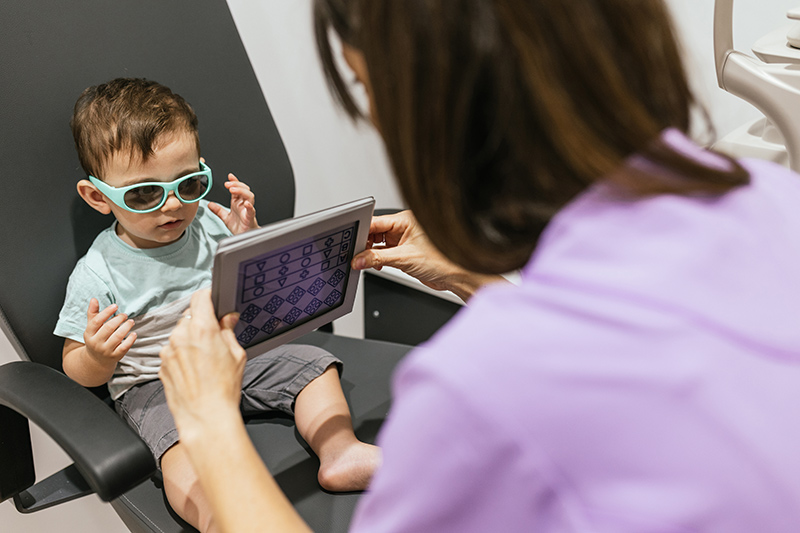
When to See a Children's Eye Specialist
If you notice a white spot in your child's pupil, misalignment of the eyes or if you have a family history of congenital cataracts, seek professional advice immediately. Regular eye screenings during paediatric wellness checks are also important for catching issues that may not be obvious to parents.
At our clinic, children with suspected vision concerns are evaluated by Dr Cordelia Chan, senior consultant ophthalmologist, who has extensive experience in diagnosing and managing paediatric eye conditions. Through careful assessment and personalised management plans, Dr Chan works closely with families to support their child's visual development and eye health.
Book a consultation with us today to receive a professional assessment.
MBBS (S’pore), FRCS (Edinburgh), MMed (S’pore), FAMS (Ophth)
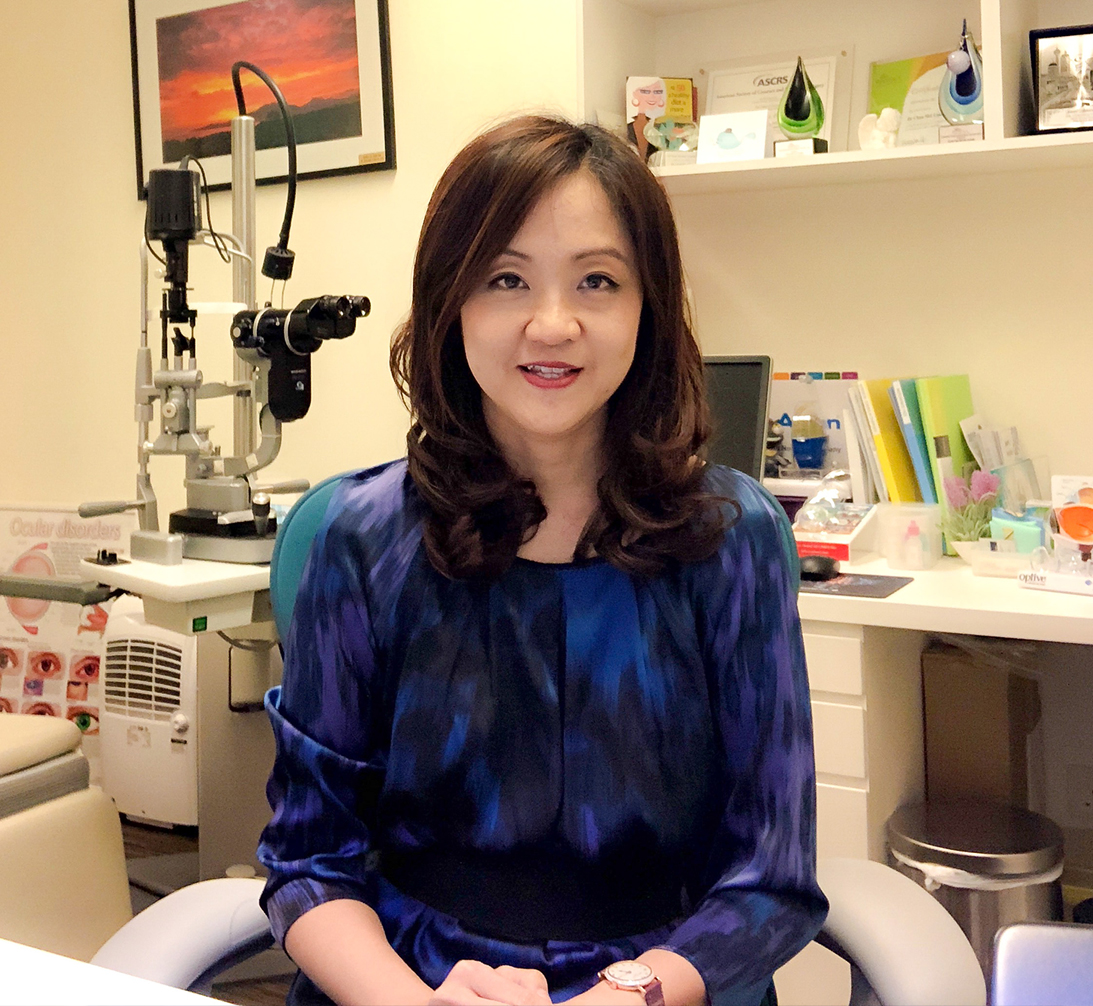
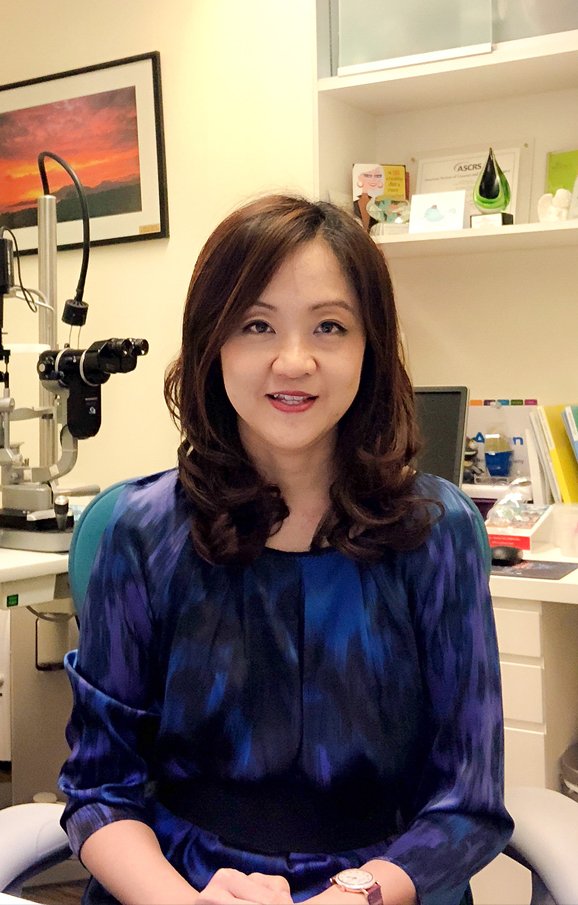
Dr Cordelia Chan is an ophthalmologist in Singapore, with decades of experience in cataract management for both adults and children. Her approach combines clinical precision with a supportive environment, ensuring that young patients receive the quality care for their visual development. Dr Chan began her training in 1993 and spent 21 years at the Singapore National Eye Centre (SNEC), where she was Head of the Refractive Surgery Service.
As one of the first surgeons in Singapore to perform bladeless LASIK, she has built a reputation for her expertise and dedication to patient care and safety. Today, she uses advanced diagnostic technology and a personalised approach to achieve the best possible outcomes for her patients.
Contact No. : | +65 6690 4154 |
| Email : | novena@eyesurgeons.com.sg |