
Eye Surgeons @ Novena 38 Irrawaddy Road
#09-28
Singapore 329563
Benefits of LASIK for Athletes:
How Clear Vision Improves Sports Performance
How Clear Vision Improves Sports Performance

MBBS (Singapore), FRCS (Edinburgh), MMed (Ophth), FAMS (Ophth)

For many athletes, relying on glasses or contact lenses during training and competition can be inconvenient and sometimes limiting. Issues such as fogging, displacement, dryness or restricted peripheral vision may affect comfort and focus during physical activity.
This is why many professional and recreational athletes have turned to LASIK as a way to manage sports vision correction while avoiding the limitations of glasses and contact lenses. Having clear and stable vision is important not only for optimal performance but also for safety, helping athletes avoid collisions and injuries.
What Kinds of Vision Challenges Do Athletes Face?
Athletes who rely on corrective eyewear often face unique hurdles that can hinder performance. Glasses can be particularly problematic, as they may fog up during strenuous activity or in humid conditions. The frames can also restrict peripheral vision, creating blind spots that are detrimental in team sports.
Contact lenses, while offering a wider field of view, may dry out in windy conditions, cause irritation when sweat enters the eye, or become dislodged during physical contact. These distractions force athletes to focus on their eyewear rather than the game, potentially compromising safety and results.
Key Benefits of LASIK for Sports Performance
LASIK surgery offers a long-term correction for ocular refractive errors such as myopia (nearsightedness), hyperopia (farsightedness), and astigmatism. For athletes in particular, the procedure offers several clinical benefits, including:
Enhanced Visual Clarity and Focus
LASIK often corrects vision to 20/20 or better, providing a level of sharpness that glasses sometimes cannot match due to lens distance or scratches. This enhanced acuity improves an athlete's depth perception, reaction speed and contrast sensitivity, which are vital skills for tracking moving objects, judging distances and reading terrain nuances.
Freedom from Glasses and Contact Lenses
Without glasses, athletes do not need to worry about frames slipping during a sprint or lenses fogging in humid conditions. Those who wear contact lenses can avoid dryness and discomfort caused by sweat, wind or dust. By removing these distractions, athletes can focus fully on their performance.
Improved Comfort and Safety
Without the distraction of slipping frames or irritated eyes, athletes can maintain complete focus on their game. In contact sports, the removal of glasses eliminates the danger of facial injury from broken frames or shattered lenses. For outdoor sports, LASIK allows athletes to wear non-prescription protective eyewear, such as ski goggles, without needing them to fit over prescription glasses.
Advantages of LASIK in Various Sports
Different disciplines place unique demands on an athlete's vision. This is how LASIK can benefit specific sports:
- LASIK for Swimmers: LASIK eliminates the need for prescription goggles and removes the infection risks associated with swimming in contact lenses.
- LASIK for Runners: Runners frequently deal with glasses slipping due to sweat or bouncing with every stride. Laser vision correction ensures stable vision regardless of terrain or weather conditions.
- LASIK for Football Players: Football players depend on a wide field of view to read plays and respond quickly. LASIK helps provide a clearer, broader view of the field without the constraints of eyewear.
- LASIK for Golfers: Minor refractive errors can affect a player's ability to gauge the slope of a putting surface. LASIK improves depth perception without the distortion sometimes caused by progressive lenses or bifocals.
- LASIK for Cyclists: Cyclists rely on wraparound sunglasses to protect their eyes from wind, debris and UV rays. LASIK offers clear vision in varying weather conditions without the issue of eyewear fogging up or dust irritating contact lenses.
- LASIK for Basketball Players: Basketball players rely on peripheral vision to track teammates and opponents. LASIK helps gain better court awareness and reaction times, free from the fear of a contact lens popping out mid-game.
Is LASIK Right for You?
While LASIK is an excellent option, it is not suitable for everyone. Factors such as corneal thickness, pupil size and overall eye health must be evaluated.
High-impact combat sports (such as boxing or MMA) may carry a risk of dislodging the corneal flap created during LASIK. In these specific cases, your surgeon may recommend photorefractive keratectomy (PRK). This surface-level procedure offers the same visual benefits as LASIK but eliminates the risk of flap complications, making it a safer alternative for athletes in combat disciplines.
Recovery and Returning to Sports After LASIK Surgery
A common concern for athletes is the downtime associated with surgery. Fortunately, recovery from LASIK is typically quick. Most patients notice an immediate improvement in their vision and can return to light training within 24–48 hours.
However, it is important to note that while visual recovery is fast, the eye requires time to heal fully. Your ophthalmologist will provide a tailored recovery plan, but generally, you may need to avoid specific sports and activities for several weeks in order to prevent infection or injury to the corneal flap.
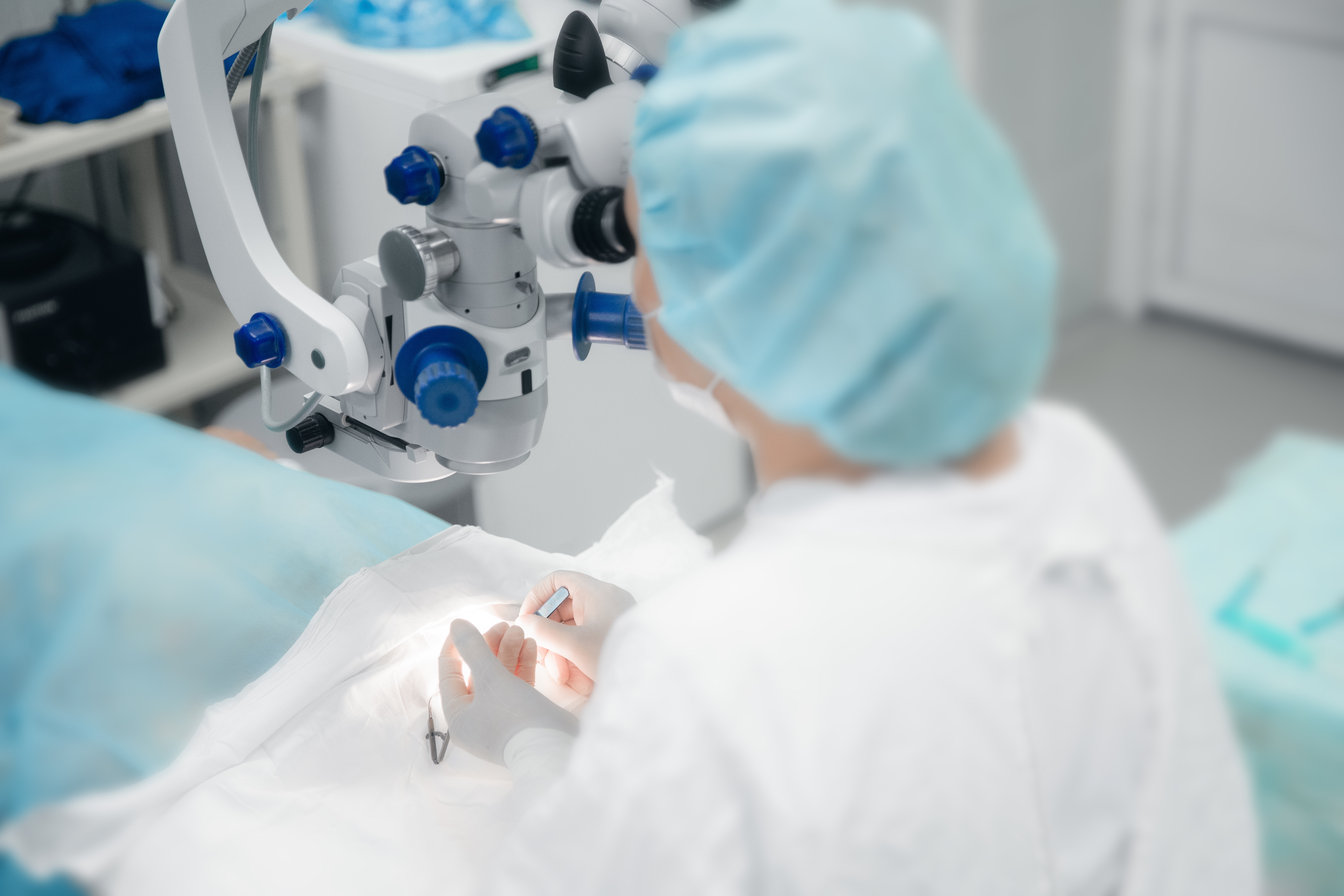
Restoring Clear Vision Through LASIK
Clear vision plays an important role in athletic performance, from tracking fast-moving objects to maintaining spatial awareness during competition. By reducing reliance on glasses or contact lenses, LASIK can offer athletes greater visual freedom, improved peripheral awareness and fewer distractions during training or games.
At Eye Surgeons @ Novena, our senior consultant ophthalmologist Dr Cordelia Chan provides comprehensive LASIK assessments to determine whether laser vision correction is suitable for your eyes and lifestyle. Through detailed evaluation and personalised treatment planning, she aims to help patients achieve stable, clear vision that supports their daily activities and sporting goals.
If you are considering LASIK, contact us today to find out more and book an appointment.
MBBS (S’pore), FRCS (Edinburgh), MMed (S’pore), FAMS (Ophth)


Dr Cordelia Chan is an ophthalmologist in Singapore, with decades of experience in cornea and refractive surgery. She caters to both adults and children, offering comprehensive treatment plans for various eye conditions. Dr Chan began her training in 1993 and spent 21 years at the Singapore National Eye Centre (SNEC), where she was Head of the Refractive Surgery Service.
As one of the first surgeons in Singapore to perform bladeless LASIK, she has built a reputation for her expertise and dedication to patient care and safety. Today, she uses advanced diagnostic technology and a personalised approach to achieve the best possible outcomes for her patients.
Contact No. : | +65 6690 4154 |
| Email : | novena@eyesurgeons.com.sg |